Vacation Bible School has been a blast! We've enjoyed our time "Surfin' Through the Scriptures!"
Saturday, June 28, 2008

Monday, June 23, 2008


Sunday, June 22, 2008
Sunday, June 15, 2008
5 Practices of fruitful congregations sermon 3--Intentional Faith Development: Sermon-Proof of Intent
Sermon Texts: Proverbs 2: 1-15, Wisdom of Solomon: 7: 15, 24-30, Acts 2: 42-47
Gabcast! Sermons #6
Gabcast! Sermons #6
Our faith is a vitally important part of our lives that needs to be
____nurtured___________, ______tended_________, and _____cared for__________ .
Bishop Schnase says, “From the first generation of Christians to the
early Methodists to the youngest generations of faithful members today,
the followers of Jesus __mature_____________ in faith by ___learning____________
together in ___community____________ ....”
“Growing in ____Christ___________ - _______likeness________ is the goal and end
of faith.”
As Schnase points out – and as we United Methodists firmly believe –
this is an ___ongoing____________ ______process_________ that “spans a
___lifetime____________.”
Examples of faith development opportunities:
Participating in Bible Study
Sunday School
Visiting the prayer chapel during the office hours of the week. Value of pilgrimage
cultivating prayer
being in covenant--being accountable
By suggesting that faith development should be “intentional,” Bishop
Schnase says it requires “deliberate _effort______________ , purposeful
___action____________ , and high __prioritization_____________ .”
St. Jerome once said, “Ignorance of ____Scripture___________ is ignorance of
___Christ____________ .”
Gabcast! Sermons #6
Gabcast! Sermons #6
Our faith is a vitally important part of our lives that needs to be
____nurtured___________, ______tended_________, and _____cared for__________ .
Bishop Schnase says, “From the first generation of Christians to the
early Methodists to the youngest generations of faithful members today,
the followers of Jesus __mature_____________ in faith by ___learning____________
together in ___community____________ ....”
“Growing in ____Christ___________ - _______likeness________ is the goal and end
of faith.”
As Schnase points out – and as we United Methodists firmly believe –
this is an ___ongoing____________ ______process_________ that “spans a
___lifetime____________.”
Examples of faith development opportunities:
Participating in Bible Study
Sunday School
Visiting the prayer chapel during the office hours of the week. Value of pilgrimage
cultivating prayer
being in covenant--being accountable
By suggesting that faith development should be “intentional,” Bishop
Schnase says it requires “deliberate _effort______________ , purposeful
___action____________ , and high __prioritization_____________ .”
St. Jerome once said, “Ignorance of ____Scripture___________ is ignorance of
___Christ____________ .”
Sunday, June 08, 2008
Sunday, June 01, 2008
Friday, May 30, 2008
Five week sermon series to begin June 1. Be there!

Beginning this Sunday, Nathan will begin a 5 week sermon series on the Five Practices of Fruitful Congregations: Radical Hospitality, Passionate Worshiop, Intentional Faith Development, Risk-Taking Mission and Service, and Extravagant Generosity. Try your best to make it to all five Sunday services as this study will be the foundation of some congregational visioning and strategic planning that we will engage in this year. At 5pm on Sunday evenings, we will go in depth into each of the five practices in a book study. You can purchase the books at our church. Link here or on our margin to the Five practices website for tools, studies, and more.
Monday, May 19, 2008
Trinity Sermon very disjointed notes.
Around this time of year, I always turn to Jurgen Moltmann’s Spirit of Life because it is such a fresh and inspiring and provocative exploration of the Nature and power of the Holy Spirit.
What Pat preached on last week is the birth of the Holy Spirit in a new and radical way in the life of the church. This week, what the church calls Trinity Sunday, is when we step back and try to get something of a handle on this new and ever mysterious concept of God that our forebears of faith were trying to get a handle on as well, the Trinity.
A New idea. Wrestling with a new idea. We should be doing this as a community. Christ is always inspiring new things. We need to be open to the possibilities.
-Modern believers tend to trust in therapy more than in mystery Kathleen Norris
-Tell me how it is that in this room there are three candles and but one light, and I will explain to you the mode of the divine existence. John Wesley
Moltmann, Spirit as fellowship, as Koinonia.
If it is a characteristic of the divine Spirit not merely to communicate this or that particular thing, but actually to enter into fellowship with believing men and women -- if indeed he himself becomes their fellowship -- then "fellowship" cannot merely be a "gift" of the Spirit. It must be the eternal, essential nature of the Spirit himself. Whereas Christ, the Son of God is called the source of grace, and God the Father is called the source of love, "fellowship" is designated as the nature of the Spirit himself. The Spirit does not merely bring about fellowship with himself. He himself issues from his fellowship with the Father and the Son, and the fellowship into which he enters with believers corresponds to his fellowship with the Father and the Son, and is therefore a trinitarian fellowship.
Fellowship of Fruit. What we do here matters eternally. This is why this fellowship must be an authentic reflection of the love and power of Christ.
Friend relayed the message from a church planner—quit being a “friendly church.” That sounds harsh, but perhaps it holds some truth. We’d probably use it as an adjective for our own church. But when you hold up the word “friendly” to the phrase, “a place where you can make a friend,” maybe you can see my difference.
One of the mysterious revelations of the Trinity is that our own God is in relationship with Himself in some dynamic, active way. We are pulled into this relationship much like a dance partner is pulled onto the dance floor (sometimes unwillingly, sometimes “swept off our feet.”
his relationship at the core of God is described in the classical doctrines of the Trinity as “one being, who exists simulaneously and eternally, as a ‘mutual indwelling’ of three persons.” Isn’t that a beautiful term? “Mutual Indwelling:” in my mind I see a beautiful endless spiral.
John of Damascus, in the 8th century, used the Greek term περιχώρησις (perichoresis, literally: circuition, going around, or more precisely for John of Damascus' meaning envelopment) to signify this, in his explanation of the text, "I am in my Father, and my Father is in me."
In Eastern Christianity, perichoresis is associated with unification with the Godhead upon sanctification. Redeemed humanity is drawn into the circulation of divine love and thus participates in the coinherence of the Divine Persons,
Interestingly enough, the if you replace the “omega” with its long O sound in the word “perichoresis,” with an omicron, a short “o” sound, you have the Greek word for “dance.” Isn’t that beautiful? God’s very being is not very far removed from the idea of an endless, mutual dance, and God is inviting us to be a part of the dance.
One way that the Trinity is often spoken about is the personal idea of being one person, but being in relationship in three different ways. I am one person, but I am a son, a husband, and a father. I like this metaphor for the trinity because it builds on relationships. And that is one of the beautiful messages of the Trinity. Our God is so overflowing with the desire for relationship with Creation, that he comes to it in three distinct persons: a Father Creator, a Son Redeemer, and a Spirit Perfector.
Also three personas in the Latin sense, the word meant “mask” and it was a theater word. You might think of how an actor can wear three masks and be three different parts in a play. Most people who have acted know that the parts that you play influence one another, and you have prob. Read intverviews of actors saying they drew from this character from 10 years ago when they figured out how to play another character.
Beginning in June, 5 week exploration of some of the things that are consistently found in fruitful congregations where the Spirit of Fellowship is stirring. We can find some of those things here, but we need to learn how to articulate them and invite people to be a part of them. They are: Radical Hospitality, passionate worship, intentional faith development, risk-taking mission and service, and extravagant generosity.
With regard to Seniors, this is what they should look for in a Christian community in the years to come and they may move away from this community.
Whether we know it or not we not only believe in the triune God, but also "live" in the triune God.
This reciprocal, sometimes called mystical, "living in God" also belongs to the trinitarian life: "those who live in love, live in God and God in them" (1 John 4:6). "We in God and God in us" is not meant merely as some sort of fleeting, mystical rapture, but is a daily relaxing quiet and intimate "living.
Wednesday, May 14, 2008
Quilt for Oklahoma Camps


Last year, kids at summer camp around the state made little patches for churches to use to make quilts to be sold at annual conference to benefit Oklahoma camps. It's kind of a quilting circle of life. Well, Karen Morris headed up a group of quilters in our own church to make a quilt to be sold at annual conference in Tulsa this year. Here are some photos. You can bid on the quilt at AC! Thanks to Karen and all who participated.
Monday, May 05, 2008
Ascension Sunday Sermon
You’ve all probably said and heard the cliché question from the back seat on vacation: Are we there yet?
Eager anticipation. Waiting for news, waiting to hear about a mortgage loan, or waiting at the airport for a long departed loved one.
On the other hand, waiting to hear about treatment options or the results of a medical test. Waiting for a family to repair itself after a fracture like a divorce or a betrayal of trust or a death.
We can understand the disciples question, “is this the time when…”
But how does Jesus answer them? “It’s not for you to know.”
“It is not for you to know the times or periods that the Father has set by his own authority.”
Oftentimes, the church it seems forgets this passage and busies itself searching out the hidden meanings of scriptures and speculating endlessly on the end of time. Reading the “Left Behind Series,” when we could be reading “The Imitation of Christ.”
Don’t think I’m being too critical, there are no doubt some social communities who take great solace in the hope and eager anticipation of the apocalypse. The slaves of 19th century America come to mind. Or churches under persecution, like the 7 churches to which John wrote the apocalypse.
I just haven’t had the experience of being brutally oppressed or enslaved. Furthermore, why should my soul sour to the heights of heaven when I haven’t yet figured out how to love my neighbor? Maybe it’s a distraction for me. And that’s why I tend to avoid speculating about it.
Instead, I’m more interested in this “being filled with the power of the Spirit” bit.
Keeping our eyes on the ascension rather than wondering about how he’ll descend. Keeping our vision focused on how Jesus walked and talked while on earth and watching where he’s going, in the scriptures and in our lives. This should be our focus rather than what Jesus will say and do when he returns. Because if we really care to hear what he says he’ll say when he returns, if fail to live with his love in our heart, then it will be, depart from me, goats. You failed to live with me and love me when I was the prisoner and the widow and the oppressed.
Do you see how this shakes out? There is God's business and the disciples' business. God alone is in charge of the timing and the disciples are in charge of the mission!
As he went into heaven, Jesus prayed the blessing of the spirit on his followers. His spirit compels us to pattern our lives after Jesus’ actions and words. In the actions of this church, such as those pointed out to us in the letter from Eva’s parents, and such as the dedication I witnessed in those who helped with the church workday, we set our tracks in the footsteps of Christ. Jesus walks with us in every moment. If we’re endlessly consumed with the coming of Christ in a future tense, we’ll lose sight of the fact that Jesus walks.
He walks and Luke shows how the disciples are given three things to make them “apostles” The power, the promise and the prayer. ………….
When is the peace and joy of God's kingdom going to come to this mixed up and violent world? It's not for us to know.
What is for us to know, however, is the foundation for our life of faith until the kingdom comes. Our family of faith is built on these three foundation blocks. The power of God to accomplish our Christian work, the promise of God that all things will be brought under the reign of Christ and the prayer of the community of Jesus' followers that gives access to the presence and power of God!
Tuesday, April 29, 2008
The Hope in our Hearts, April 27 Sermon
Texts: Lectionary from 1 Peter and Acts
Always be ready: pass the mic around for people to say what gives them joy. One sentence. After a few, what gives hope.
Most of the important things in the world have been accomplished by people who have kept on trying when there seemed to be no hope at all. ~Dale Carnegie
If you lose hope, somehow you lose the vitality that keeps life moving, you lose that courage to be, that quality that helps you go on in spite of it all. And so today I still have a dream. ~King
Today’s letter from Peter focuses our two related ideas, non-violence and hope. And so, it is fitting we hear from the implementer of both of those ideals in our culture.
Among Christians who are or have been the victims of abuse and oppression, the call to non-retaliation has of late had a bad reputation. Cannot this represent the means by which oppressors play on the piety of the oppressed simply to prolong evildoing? As usual it is easy for those of us who are relatively powerful in our society to urge non-retaliation on those who are relatively powerless. Nonetheless the larger context nuances the claim that Christians are to suffer for doing right rather than to return evil for evil. Within the context of 1 Peter, Christians are to suffer if need be, but not to suffer silently. They join the struggle against oppression by speaking honestly and powerfully of what they hold dear, making their defense unapologetically. Christ himself becomes an example of this activity, of course, and when we read the Gospel accounts of his passion we note that he was by no means altogether passive. His silence and his speeches manifest power in weakness, and that power is as clear as the weakness. Thus for Christians the unwillingness to abuse and to slander does not mean the willingness to take abuse and slander without speaking the word that might convict or even convince those who do the abusing and slandering.
In twentieth-century America, the great example of non-retaliation is Martin Luther King, Jr. But his nonviolence was not non-resistance. On the contrary, the courage he and his followers showed was the courage of active, and risky, faith.
Hope has two daughters: anger and courage. Anger at the way things are, and the courage to change them. ~Augustine
So to bring us back to the subject of hope, I’d share the story of 7 year old Katherine Commale of “Hopewell” UMC in Downingtown, PA. Raised $10,000 for mosquito nets to send to Africa helped push our denomination to partner with NBA and Sports Illustrated to found the Nothing but Nets Campaign, which to date has raised more than 2 million and has received a $3 mil challenge grant from Bill and Melinda Gates foundation.
You see, hope isn’t just pie in the sky idealism. Hope is what prompted Paul to appeal to the Athenians with the good news of a loving and hopeful Creator “in whom we live and move and have our being.” Hope prompted Katherine, at age 5, to rally her friends and family to the cause of alleiviating malaria.
Talk about “bearing witness to the hope that is within you.” How we should be prepared to do this, how we should have something ready to say to others if they ask us about our faith so that we don’t stumble in sharing the good news. It shouldn’t be a long, drawn out exausting narrative. To be more effective at sharing the gospel, we should remember that we live in a sound bite culture. We should be able to sum it up in under a minute, even if it isn’t a full picture of our hope. It should be tantalizing, leaving the hearer ready to hear more. It should engage the culture of the hearer, like Paul does in his speech to the Athenians.
Difference between religion and faith
R. Garland recently has demonstrated that three claims were necessary to establish a new religion in Athens: (1) the sponsor must claim to represent a deity; (2) he must provide evidence that this deity is eager to reside in Athens; and (3) the deity’s residence in Athens must benefit Athenians as a mark of its goodwill.580 In this light, Paul’s Areopagus speech may be read as an apologia (however subversive!) in response to these three criteria.581 Accordingly, Paul introduces himself as an authorized herald (22-23) of a living deity whose transcendent residence above the earth requires no Athenian residence, priesthood or religious practices (24-29). Paul’s deity does not therefore seek formal induction into the Athenian Pantheon–of this the Areogapus need not worry; rather, his God seeks to judge and save all repentant Athenians as disclosed in the Lord’s resurrection–and of this they need worry (30-31)!
At our worst, we Christians have isolated and insulated ourselves from our culture's mainstreams. We can be inward-looking, self-absorbed, self-important, and cloistered, instead of engaging people at our modern day Mars Hills
Second, as Paul preached to the Athenians, he believed that God "made the world and everything in it," and that every single person was "God's off-spring," so in his mind there was no person or sphere of influence outside of His care and concern. All of so-called "secular" life, and not just "sacred" realms, were spheres of God's loving presence, or at least potentially so — law, literature, medicine, education, the arts, business, government, science, quite literally anything and everything. So, in his own Christian way, Paul viewed the venerable Areopagus as just another place where the Lord of all creation had gone before him and was already present; indeed, said Paul to the Athenians, "He is not far from each one of us."
Changing allegiance from many gods to God. Athenians had a god for everything. They believed their lives were a web of allegiances to the different gods that made important decisions about their lives.
Likewise, we place our allegiances in many different directions. We may not appeal to gods of those different areas of influence in our lives, but we give them our time and mental energy and concern and worry. Though there may not be a carved statue that we believe embodies those different areas of our lives, we sacrifice to them nonetheless.
Paul and through him God are appealing to us to instead focus our energies in devotion to him. Focus our attention on serving God by spilling over with the love and grace we sense coming from him. Spill over this love and grace into our relationships, and God will take care of the web of allegiances and attention. Give our sole attention to God, and God will meet our needs.
Paul appealed to the idea of a creator God, and this is a sign of hope. By harkening back to our creation, we say something of hope about our future. The Gospels show that God isn’t interested in merely creating and then watching how things play out. God is interested in creating new possibilities, God is interested in turning us into reflections of him. This is our hope, that God created and then redeemed humanity. Though throughout history the world has failed to live up to what we were created to be, God has not abandoned us. God reshapes us and continues pouring love into us. Our hope is that we can be changed.
"Be ready to give an account for the hope that is in you." That hope for us is rooted in the same hope and trust that Jesus had: the strong belief that God is faithful. God will always be God for us. Dr. Scott Hahn in his book, A Father Who Keeps His Promises, tells how on December 7, 1998, in Northwest Armenia, 25,000 people died in an earthquake. A distressed father ran frantically through the streets to the school where his son was. He kept remembering that he had said: "No matter what, Armand, I'll always be there." His heart sank when he saw the school in rubble. He darted toward the east corner where he knew his son's classroom had been and started digging with his bare hands. One of the bystanders said, "Forget it, mister, they're all dead." He looked up and replied, "You can criticize me or you can help lift these bricks." A few pitched in for a time, but the man kept digging: 12 hours, 18 hours, 24 hours, 36 hours—and finally he heard a muffled groan. He pulled the board back and cried, "Armand!" From the darkness came a slight, shaking voice, "Papa?" They found 14 of the 33 students still alive. When Armand emerged he turned to his friends and said, "See, I told you my father wouldn't forget us." Dr. Scott Hahn who told the story said: "That's the kind of faith [and hope] we need, because that's the kind of Father we have."
Always be ready: pass the mic around for people to say what gives them joy. One sentence. After a few, what gives hope.
Most of the important things in the world have been accomplished by people who have kept on trying when there seemed to be no hope at all. ~Dale Carnegie
If you lose hope, somehow you lose the vitality that keeps life moving, you lose that courage to be, that quality that helps you go on in spite of it all. And so today I still have a dream. ~King
Today’s letter from Peter focuses our two related ideas, non-violence and hope. And so, it is fitting we hear from the implementer of both of those ideals in our culture.
Among Christians who are or have been the victims of abuse and oppression, the call to non-retaliation has of late had a bad reputation. Cannot this represent the means by which oppressors play on the piety of the oppressed simply to prolong evildoing? As usual it is easy for those of us who are relatively powerful in our society to urge non-retaliation on those who are relatively powerless. Nonetheless the larger context nuances the claim that Christians are to suffer for doing right rather than to return evil for evil. Within the context of 1 Peter, Christians are to suffer if need be, but not to suffer silently. They join the struggle against oppression by speaking honestly and powerfully of what they hold dear, making their defense unapologetically. Christ himself becomes an example of this activity, of course, and when we read the Gospel accounts of his passion we note that he was by no means altogether passive. His silence and his speeches manifest power in weakness, and that power is as clear as the weakness. Thus for Christians the unwillingness to abuse and to slander does not mean the willingness to take abuse and slander without speaking the word that might convict or even convince those who do the abusing and slandering.
In twentieth-century America, the great example of non-retaliation is Martin Luther King, Jr. But his nonviolence was not non-resistance. On the contrary, the courage he and his followers showed was the courage of active, and risky, faith.
Hope has two daughters: anger and courage. Anger at the way things are, and the courage to change them. ~Augustine
So to bring us back to the subject of hope, I’d share the story of 7 year old Katherine Commale of “Hopewell” UMC in Downingtown, PA. Raised $10,000 for mosquito nets to send to Africa helped push our denomination to partner with NBA and Sports Illustrated to found the Nothing but Nets Campaign, which to date has raised more than 2 million and has received a $3 mil challenge grant from Bill and Melinda Gates foundation.
You see, hope isn’t just pie in the sky idealism. Hope is what prompted Paul to appeal to the Athenians with the good news of a loving and hopeful Creator “in whom we live and move and have our being.” Hope prompted Katherine, at age 5, to rally her friends and family to the cause of alleiviating malaria.
Talk about “bearing witness to the hope that is within you.” How we should be prepared to do this, how we should have something ready to say to others if they ask us about our faith so that we don’t stumble in sharing the good news. It shouldn’t be a long, drawn out exausting narrative. To be more effective at sharing the gospel, we should remember that we live in a sound bite culture. We should be able to sum it up in under a minute, even if it isn’t a full picture of our hope. It should be tantalizing, leaving the hearer ready to hear more. It should engage the culture of the hearer, like Paul does in his speech to the Athenians.
Difference between religion and faith
R. Garland recently has demonstrated that three claims were necessary to establish a new religion in Athens: (1) the sponsor must claim to represent a deity; (2) he must provide evidence that this deity is eager to reside in Athens; and (3) the deity’s residence in Athens must benefit Athenians as a mark of its goodwill.580 In this light, Paul’s Areopagus speech may be read as an apologia (however subversive!) in response to these three criteria.581 Accordingly, Paul introduces himself as an authorized herald (22-23) of a living deity whose transcendent residence above the earth requires no Athenian residence, priesthood or religious practices (24-29). Paul’s deity does not therefore seek formal induction into the Athenian Pantheon–of this the Areogapus need not worry; rather, his God seeks to judge and save all repentant Athenians as disclosed in the Lord’s resurrection–and of this they need worry (30-31)!
At our worst, we Christians have isolated and insulated ourselves from our culture's mainstreams. We can be inward-looking, self-absorbed, self-important, and cloistered, instead of engaging people at our modern day Mars Hills
Second, as Paul preached to the Athenians, he believed that God "made the world and everything in it," and that every single person was "God's off-spring," so in his mind there was no person or sphere of influence outside of His care and concern. All of so-called "secular" life, and not just "sacred" realms, were spheres of God's loving presence, or at least potentially so — law, literature, medicine, education, the arts, business, government, science, quite literally anything and everything. So, in his own Christian way, Paul viewed the venerable Areopagus as just another place where the Lord of all creation had gone before him and was already present; indeed, said Paul to the Athenians, "He is not far from each one of us."
Changing allegiance from many gods to God. Athenians had a god for everything. They believed their lives were a web of allegiances to the different gods that made important decisions about their lives.
Likewise, we place our allegiances in many different directions. We may not appeal to gods of those different areas of influence in our lives, but we give them our time and mental energy and concern and worry. Though there may not be a carved statue that we believe embodies those different areas of our lives, we sacrifice to them nonetheless.
Paul and through him God are appealing to us to instead focus our energies in devotion to him. Focus our attention on serving God by spilling over with the love and grace we sense coming from him. Spill over this love and grace into our relationships, and God will take care of the web of allegiances and attention. Give our sole attention to God, and God will meet our needs.
Paul appealed to the idea of a creator God, and this is a sign of hope. By harkening back to our creation, we say something of hope about our future. The Gospels show that God isn’t interested in merely creating and then watching how things play out. God is interested in creating new possibilities, God is interested in turning us into reflections of him. This is our hope, that God created and then redeemed humanity. Though throughout history the world has failed to live up to what we were created to be, God has not abandoned us. God reshapes us and continues pouring love into us. Our hope is that we can be changed.
"Be ready to give an account for the hope that is in you." That hope for us is rooted in the same hope and trust that Jesus had: the strong belief that God is faithful. God will always be God for us. Dr. Scott Hahn in his book, A Father Who Keeps His Promises, tells how on December 7, 1998, in Northwest Armenia, 25,000 people died in an earthquake. A distressed father ran frantically through the streets to the school where his son was. He kept remembering that he had said: "No matter what, Armand, I'll always be there." His heart sank when he saw the school in rubble. He darted toward the east corner where he knew his son's classroom had been and started digging with his bare hands. One of the bystanders said, "Forget it, mister, they're all dead." He looked up and replied, "You can criticize me or you can help lift these bricks." A few pitched in for a time, but the man kept digging: 12 hours, 18 hours, 24 hours, 36 hours—and finally he heard a muffled groan. He pulled the board back and cried, "Armand!" From the darkness came a slight, shaking voice, "Papa?" They found 14 of the 33 students still alive. When Armand emerged he turned to his friends and said, "See, I told you my father wouldn't forget us." Dr. Scott Hahn who told the story said: "That's the kind of faith [and hope] we need, because that's the kind of Father we have."
Sunday, April 20, 2008
Youth Earth Day Skit
Carson walks to sanctuary from back. Notices the overhead lights are off as he walks down the aisle
CARSON: HMMMM.
gets to the front, turns around
CARSON: LET THERE BE LIGHT! Gestures up in dramatic fashion.
(Lights come on, (turned on by Byjou in the prayer room))
CARSON: HEY! THAT’S PRETTY GOOD!
Carson points at the ground:
Carson: Let there be a million dollars!
(Nothing happens. Byjou laughs from the prayer room. )
Byjou: You didn’t know I was in here, did you?
Carson; Well……
Byjou: Hey, you know where light really comes from?
Carson: The light bulb? (Sarcastically)
Byjou: No, like where the electricity comes from—you know, like we were talking about in youth last week—where our tapwater comes from, where our toilet water goes. Where the cheese on our pizza came from….
Carson: Oh yeah—well, I’d say it probably comes from a power plant somewhere.
Byjou: Yeah, I was noticing that power plant outside Muskogee on the way to Camp Egan the other day. It was a really clear blue day except for the brown haze that was coming out of the plant.
Tori and Kassy enter with a Bible
Tori: Hey guys, get a load of this!
Offstage voice (Kendall) speaks into cordless mike from prayer room when Tori opens the Bible.
Kendall: I love you guys!
Byjou and Carson: Whoaaaaah! What was that?
Kassy: I think its God.
Kendall: That’s right! (Pleading) I’ve been telling ya’ll!
Carson: Hold on, God’s talking to us?
Kendall: Well, you’ve got the Bible open, don’t you. What did you expect would happen?
Carson: uhhhhh.
Byjou: Words! But—words on a page. This is weird.
Tori: God told me to come over here because ya’ll were discussing something important.
Carson: I was just kidding about that million dollars thing, God. Um, sorry!
Kendall: But those who want to get rich fall into temptation and a snare and many foolish and harmful desires which plunge men into ruin and destruction.
Carson: Oooooookay?
Kendall: That’s 1 Timothy 6:9. That’s kinda how this “Me talking to you” thing works—you’ve got the Bible open, so the things you find in it you apply to your own life, and that’s one way I can speak to you. I really know you were kidding about the million dollars thing, I’m just pulling your leg, man!
Byjou: “puling your leg, Man??” (a little surprised that God is speaking to them so informally, like teenagers speak to each other)
Kendall: Well, almost man, I guess. But it’s really just a colloquialism. (ko-lo-kwee-al-ism) Like, “what’s up?”
Byjou: You!? (Kendall and Byjou laugh heartily)
Kendall: Oh, Byjou: You slay me! You’re not of Roman descent are you? (Laughs again with Byjou. Rest of teens are simply perplexed)
Tori: Well, what was it that you thought was so important, God?
Kendall: It was what Byjou was talking about the power plant. Kassy, why don’t you read Psalm 24: 1
Kassy: “The earth is the Lord’s and the fullness thereof, the earth, and all that dwell therein.”
Kendall: ITS MINE, ITS ALL MINE! Mmmuuuuhahahahahah. Just kiddin! It’s actually kind of yours too. You hold it in trust for me. I needed some janitors for Creation, and you all seemed pretty handy. Check out Genesis 2: 7 and 15
Tori: “Then the Lord formed Adam out of the dust of the ground…The Lord took Adam and put him in the garden of Eden to till it and keep it.”
Kendall: Exactly. You kind of missed a few things from the original Hebrew. I like to play with words from time to time, but you sometimes don’t catch the brilliant little double entendres. (on-tawn-dras) The Hebrew word “Adam” simply means “human.” And “adamah” means “dust.” “Adam” comes from “Adamah.” Like it?
Carson: Cool!
Kendall: It is cool Carson! It is cool! But what do you expect, right? Anyway. What I was trying to get across by pairing those words together is that you humans are part of the earth. You are pretty deeply connected. That’s something you tend to forget, especially these days. Kassy, read Isaiah 24: 4-5
Kassy: 4The earth turns gaunt and gray,
the world silent and sad,
sky and land lifeless, colorless.
5-13Earth is polluted by its very own people,
who have broken its laws,
Disrupted its order,
violated the sacred and eternal covenant.
Byjou: So, you’re saying you care about that coal plant in Muskogee because we’re connected with the earth and we’re not really paying attention to how we’re polluting it?
Kendall: It’s not just one power plant I’m concerned about. It’s the whole system. It’s hard for you to see the big picture sometimes, but from my vantage point, well, like I said to Job one time, “Where were you when I laid the foundations of the earth?”
Tori: That’s Job 38, isn’t it?
Kendall: Well done, my little padawan.
Tori: What?
Kendall: Woah—not a Star Wars fan? Well now you know I am! A padawan is a young Jedi…oh nevermind.
Byjou: So, basically, you’d like to see us put less pollution in the atmosphere?
Kendall: Yes indeed. Read Ezekiel 34: 15-19
Kassy: And I myself will be the shepherd of my sheep. I myself will make sure they get plenty of rest. I'll go after the lost, I'll collect the strays, I'll doctor the injured, I'll build up the weak ones and oversee the strong ones so they're not exploited.
17-19 "'And as for you, my dear flock, I'm stepping in and judging between one sheep and another, between rams and goats. Aren't you satisfied to feed in good pasture without taking over the whole place? Can't you be satisfied to drink from the clear stream without muddying the water with your feet? Why do the rest of my sheep have to make do with grass that's trampled down and water that's been muddied?
Kendall: See, there I’m making a little metaphor. You all are like the sheep. When you foul up your environment, you affect others. And in this day and age, the ones who are hurt the worst by pollution and the climate change that results from it are the poorest people in the world already. And you know what? Matthew 25:40!
Tori: “Whatever you have done unto the least of my bretheren, you have done unto me.”
Carson: What can we do? We don’t own the power plant. We’re just “almost men” and “almost women!” Should I command all these lights to turn back off?
Byjou: Well, we’re using these lights while we worship, but we can at least turn off the lights when we leave a room. Then we’ll be using less electricity. And if we use less energy and convinced others to as well, then the power plant wouldn’t have to burn so much coal to produce electricity.
Kassy: Or I’ve seen those windmills west of Oklahoma City and they produce energy too! We could write our legislators and tell them we’d like to see more of those collecting energy without polluting the air rather than building more coal or gas plants. We’ve got plenty of wind, after all!
Tori: Or we could turn up our thermostat one degree, turn down the fridge one setting, or switch to those swirly new light bulbs. All those things aren’t that big of changes that add up to save energy.
Carson: Or right here in church we could start using glasses instead of Styrofoam when we get drinks at youth. That’ll take less energy, and we won’t be throwing away those cups that don’t decompose.
Kendall: Right on, guys! “I will instruct you and teach you in the way you should go; I will counsel you and watch over you.” Peace out!
Big Fun Thing Tailgate
| Big Fun Thing |
| The Big Fun Thing, directed by Campus ministries, welcomes junior high and high school students for fun, worship, and an introduction to college-level ministries. WATCH for more details soon on the Spring 2008 event! |
|
|
 Red Hawks Tailgate
 Monday, April 14, 2008
30 hour famine this weekend

Our youth will partner with the Okmulgee First UMC youth for a 30 hour famine lock in beginning this Friday at 6pm. If you are interested in fasting for the event (its kind of the point) then you should start at 11am on Friday. If you need to eat lunch that day, some fasting is better than none. We'll conclude with a big dinner on Saturday night. There will be fun and games, worship, music, and fellowship. Comment below if you are going to participate! Here's a link to the site, too
Covenant Discipleship group tonight at 5:30

We'll meet for our Covenant Discipleship group tonight like we generally do after taking a one week break. Hope everyone can make it.
April 13 Sermon, "A familiar Voice"
Sermon Texts
Psalm 23
John 10: 1-10
Here are my notes to this week's sermon. Feel free to comment.
Whose voice is most familiar to you? I enjoy hearing my son’s voice most of all, I think. It has become very familiar to me, and can rouse me out of a deep sleep even when thunder and a wife cannot.
That voice in your head. Probably most familiar. What you hear of your own voice. (Always sounds different when you hear yourself on tape, doesn’t it?)
Do you know the voice that Jesus is speaking about in this passage? Perhaps the voice of Jesus has a rich melodious tone for you. Perhaps it sounds like your father’s voice, or your friend’s. maybe it sounds like your own voice. However it sounds to you, we can know it by what it calls us towards.
23 is almost exclusively associated with a particular contemporary setting: the funeral service. To be sure, it is appropriate that Psalm 23 be read and heard in the midst of death and dying. It may be more important, however, that this psalm be read and heard as a psalm about living, for it puts daily activities, such as eating, drinking, and seeking security, in a radically God-centered perspective that challenges our usual way of thinking. Furthermore, it calls us not simply to claim individual assurance but also to take our place with others in the household of God.
Psalm 23 says, “he sets a table before me in the presence of mine enemies.” We can be sure that the voice that nudges us toward reconciliation is that voice of the shepherd.
Misinterpretation of this scripture: That he propped up and showed off in presence of his enemies.
I don’t mind calling the Lord my Shepherd, but I’ve never been too flattered by being called one of his sheep. I had hoped to be the eagle of the Lord, or maybe the cunning tiger. Sheep aren’t particularly smart. They scare easily, and have a knack for getting lost. Most of us don’t look lost. We haven’t fallen through society’s cracks into homelessness and poverty. But David would say, "Oh no. It is you who have lost your way in a relationship that’s offered more hurt than love, in a job that leaves you depleted and spent, or in the guilt of not being good enough, pretty enough or smart enough for someone whose judgment cuts deep."
We’re the only species who runs faster when we are lost.
Goodness and Mercy shall follow me….we shall follow goodness and mercy
Most translations suggest that God’s goodness and hesed will “follow” the psalmist, but the Hebrew verb (#dr rAdap) has the more active sense of “pursue.” God is in active pursuit of the psalmist! This affirmation is particularly noteworthy in view of “the presence of my enemies.” Ordinarily in the psalms, it is precisely the enemies who “pursue” the psalmist (see 7:5; 71:11; 109:16). Here the enemies are present but
have been rendered harmless, while God is in active pursuit.
In effect, to make Psalm 23 our words is to affirm that we do not need to worry about our lives (or our deaths). God will provide, and God’s provision is grounded in the reality of God’s reign. The proper response to the simple good news of Psalm 23 and Jesus Christ is to trust God. But this is precisely the rub. In a secular society, we are encouraged to trust first ourselves and to work first to secure our own lives and futures. Psalm 23 thus challenges us to affirm with the psalmist: “The LORD is my shepherd, I shall not want.” To say that means to live humbly and gratefully as a child of God.
The third stanza of Isaac Watts’s beautiful metrical version of Psalm 23 expresses eloquently the simple trust that Psalm 23 communicates and commends to us:
The sure provisions of my God
Attend me all my days;
O may Your House be my abode,
And all my work be praise.
There would I find a settled rest,
While others go and come;
No more a stranger or a guest,
But like a child at home.125
Not only does Watts’s paraphrase capture the childlike trust articulated by Psalm 23, recalling Jesus’ words about entering the reign of God “like a little child” (Mark 10:15 NIV), but also it calls to our attention the communal dimension of Psalm 23.
To be a child at home means inevitably to be part of a family, to share community around a table (see v. 5). Thus we are led to reflect on what it means to be a part of God’s household (see v. 6). The implications are profound and radical: We are not our own! We belong to God and to one another! Aubrey R. Johnson’s rendering of Psalm 23:6:
Yea, I shall be pursued in unfailing kindness every day of my life,
finding a home in the Household of Yahweh for many a long year.
The voice of the shepherd calls us toward reconciliation and refreshment He’s calling us toward a deep trust in the provision of God and an experience of abundance in simplicity. He’s calling us home
Psalm 23
John 10: 1-10
Here are my notes to this week's sermon. Feel free to comment.
Whose voice is most familiar to you? I enjoy hearing my son’s voice most of all, I think. It has become very familiar to me, and can rouse me out of a deep sleep even when thunder and a wife cannot.
That voice in your head. Probably most familiar. What you hear of your own voice. (Always sounds different when you hear yourself on tape, doesn’t it?)
Do you know the voice that Jesus is speaking about in this passage? Perhaps the voice of Jesus has a rich melodious tone for you. Perhaps it sounds like your father’s voice, or your friend’s. maybe it sounds like your own voice. However it sounds to you, we can know it by what it calls us towards.
23 is almost exclusively associated with a particular contemporary setting: the funeral service. To be sure, it is appropriate that Psalm 23 be read and heard in the midst of death and dying. It may be more important, however, that this psalm be read and heard as a psalm about living, for it puts daily activities, such as eating, drinking, and seeking security, in a radically God-centered perspective that challenges our usual way of thinking. Furthermore, it calls us not simply to claim individual assurance but also to take our place with others in the household of God.
Psalm 23 says, “he sets a table before me in the presence of mine enemies.” We can be sure that the voice that nudges us toward reconciliation is that voice of the shepherd.
Misinterpretation of this scripture: That he propped up and showed off in presence of his enemies.
I don’t mind calling the Lord my Shepherd, but I’ve never been too flattered by being called one of his sheep. I had hoped to be the eagle of the Lord, or maybe the cunning tiger. Sheep aren’t particularly smart. They scare easily, and have a knack for getting lost. Most of us don’t look lost. We haven’t fallen through society’s cracks into homelessness and poverty. But David would say, "Oh no. It is you who have lost your way in a relationship that’s offered more hurt than love, in a job that leaves you depleted and spent, or in the guilt of not being good enough, pretty enough or smart enough for someone whose judgment cuts deep."
We’re the only species who runs faster when we are lost.
Goodness and Mercy shall follow me….we shall follow goodness and mercy
Most translations suggest that God’s goodness and hesed will “follow” the psalmist, but the Hebrew verb (#dr rAdap) has the more active sense of “pursue.” God is in active pursuit of the psalmist! This affirmation is particularly noteworthy in view of “the presence of my enemies.” Ordinarily in the psalms, it is precisely the enemies who “pursue” the psalmist (see 7:5; 71:11; 109:16). Here the enemies are present but
have been rendered harmless, while God is in active pursuit.
In effect, to make Psalm 23 our words is to affirm that we do not need to worry about our lives (or our deaths). God will provide, and God’s provision is grounded in the reality of God’s reign. The proper response to the simple good news of Psalm 23 and Jesus Christ is to trust God. But this is precisely the rub. In a secular society, we are encouraged to trust first ourselves and to work first to secure our own lives and futures. Psalm 23 thus challenges us to affirm with the psalmist: “The LORD is my shepherd, I shall not want.” To say that means to live humbly and gratefully as a child of God.
The third stanza of Isaac Watts’s beautiful metrical version of Psalm 23 expresses eloquently the simple trust that Psalm 23 communicates and commends to us:
The sure provisions of my God
Attend me all my days;
O may Your House be my abode,
And all my work be praise.
There would I find a settled rest,
While others go and come;
No more a stranger or a guest,
But like a child at home.125
Not only does Watts’s paraphrase capture the childlike trust articulated by Psalm 23, recalling Jesus’ words about entering the reign of God “like a little child” (Mark 10:15 NIV), but also it calls to our attention the communal dimension of Psalm 23.
To be a child at home means inevitably to be part of a family, to share community around a table (see v. 5). Thus we are led to reflect on what it means to be a part of God’s household (see v. 6). The implications are profound and radical: We are not our own! We belong to God and to one another! Aubrey R. Johnson’s rendering of Psalm 23:6:
Yea, I shall be pursued in unfailing kindness every day of my life,
finding a home in the Household of Yahweh for many a long year.
The voice of the shepherd calls us toward reconciliation and refreshment He’s calling us toward a deep trust in the provision of God and an experience of abundance in simplicity. He’s calling us home
Tuesday, April 01, 2008
Where I'll be Next week: Emerging Church for the Existing Church
Here's a link to the flyer for the conference where I'm giving a workshop called "Postmodern Pig Farmers? If/How the themes of the Emerging church find resonance in rural/small town life." Sound interesting to you?
Sermon Notes: Easter 2, The Locked Door
For this sermon, I was inspired and guided by the lectionary study from the 2004 Christian Century, by Craig Barnes. It is linked here. So, what you'll find pasted here are my notes, which are a few original paragraphs linked in with the Barnes article, which I used as points of reference for my own sermon this past Sunday. (Sorry, no attempt at a transcript this week).
Front door in Los Angeles. May surprise you to learn that I often left our home for groceries or other errands with the door unlocked. Lara coming home to a locked house, our neighbor sending his son through the shower window to unlock the house for us. Sometimes locked doors are just as good at keeping us out as they are keeping others out. We have to remember the key.
I think of that door when I’m listening to people describe how they cope with their fears. They are keeping their hearts behind a door with lots of locks because something out there makes them afraid. If someone tries to get in before they’re invited, especially if that heart has been hurt before, they will hear the "click" of the lock.
On the night of the first Easter, the disciples were huddled together behind a locked door. What were they afraid of? I don’t think they were just worried that those who killed Jesus would kill them as well. The fear went deeper. Maybe they didn’t want to deal with the scorn of those who knew they had failed. They had even failed at protecting Jesus. In spite of all their earlier bravado, they were afraid of the cross. And ashamed.
Like the disciples, we try to hide when we’re ashamed. We keep our hearts locked up tightly because we know the truth about ourselves, and the truth is that we are not what we want to be, or even what we pretend to be.
Garrison Keillor said, "We always have a backstage view of ourselves." We let the audience see only the neatly arranged stage. But behind the curtain all kinds of things are lying around: old failures, hurts, guilt and shame, We hear that we are living in a shameless society, and that people are no longer bothered by shame. I don’t believe it. Shame plagues our souls. Psychologists tell us that shame sweeps over us when we overstep our abilities, or when our fantasy about who we would like to be encounters the backstage reality of who we really are.
Nothing is more crippling to our souls than working at hiding shame. We lock up more and more doors, sealing off more and more rooms of the heart to prevent our true selves from being discovered. We think we are keeping the world out, but in fact we are keeping ourselves locked in.
William Sloane Coffin, a great prophet of the United Church of Christ who died several years ago, fittingly, during Holy Week, once said: "As I see it, the primary religious task these days is to try to think straight...You can't think straight with a heart full of fear, for fear seeks safety, not truth. If your heart's a stone, you can't have decent thoughts – either about personal relations or about international ones. A heart full of love, on the other hand, has a limbering effect on the mind."
Those disciples cowered in fear behind locked doors when good news was waiting for them outside. Good news came to them anyway, even in their fear, and made their minds "limber." They were seeking safety, and the truth came instead. Is it fear that makes us hide from the suffering of the world? Perhaps that's a mystery of the heart, so easily turned to stone, so easily turned away from the pain of others. Coffin once warned that we run the risk of washing our hands, like Pilate, because power is hard-hearted. And yet, he said, we belong to one another, according to the vision of the religious community, the saving vision, the ancient prophetic vision of human unity, all of God's children on this earth. As Allen said, we can't keep the gift to ourselves: the Spirit was given to us because we are connected to, and responsible for, one another.
At the center of the gospel is the proclamation that Jesus Christ has come looking for us. According to John’s text, he walks right through the locked door to find us. He shows us his wounds from the cross, which are the marks of our forgiveness. Then he says, "Peace be with you." You are forgiven, peace is restored to your troubled soul, and you are free.
The word for forgiveness in Greek can even be translated "to free," or "to let go." Thus, the gospel story is always a freedom story. To those whose sin was obvious, and who had been cast out of community because of their shame, Jesus kept saying things like, "Your sins are forgiven. Be restored." But to the Pharisees, who were able to keep a good show going in front of the curtain, Jesus said, "You must repent." It was as if to say, "Stop covering up the shame." So to all of us Jesus says, "Just stop hiding."
After finding the disciples, forgiving them and restoring peace to their souls, Jesus gave them the Holy Spirit and the ministry of grace. He said, "If you forgive the sins of any, they are forgiven them. If you retain the sins of any, they are retained." Here, Jesus is entrusting us with his own ministry of forgiveness.
There are so many things we can do for ourselves in the spiritual life. We can read the Bible, pray and even worship on our own. But when it comes to hearing that we are forgiven, we need a priest. That’s the priest’s calling -- to declare the absolution of sins.
If we do not forgive those who hurt us, the only alternative is to retain the sins. To retain means to hold, and to hold onto hurt is to lock ourselves into the identity of victim. In the words of Lewis Smedes, "When you forgive you set a prisoner free. And then you discover that the prisoner was you."
So you can be either a priest or a victim. Those are your only options. What you cannot do is just forget about the hurt, or deny it or store it up to use later. To be a priest is to free others of shame and yourself of hurt. To be a victim is to hold onto hurt, which is like holding onto a disease. It will eat up your soul. It doesn’t matter what you do, or how hard you try -- you are never going to have a better past.
When the hurts are great, it is hard to be the priest. We wonder, "How can I ever get to the place of giving up such overwhelming hurt?" But we are not on our own for this. Jesus gave us the Holy Spirit before he called us to forgive. The work of the Spirit is to bind us into the work of Jesus Christ.
What this means is that we disciples are not called to produce forgiveness. We’re called to be the priest pronouncing that which has been produced on the cross. We’re called to open the locks and throw open the door, and walk back into the world as a priest who is unafraid. The only alternative is to live in shrinking prisons of hurt.
The key is, we’re forgiven.
Thursday, March 27, 2008
Paintball On Sunday?
Youth have planned an outing to Paintball Adventure Games in Sapulpa this coming Sunday afternoon, but we need to find sponsors. Are you willing to help? Nathan has a commitment at Camp Egan that evening, and can't go. Sponsors get complementary paintball supplies at the course, and we'll be travelling up there and back with the Okmulgee First UMC youth. We'll meet at McDonald's right after church. Youth will need $15 and the Youth group checkbook will cover the rest of their fee. If you are going, you'll need a signed release form you can download here.
Wednesday, March 26, 2008
Exodus Bible Study Postponed
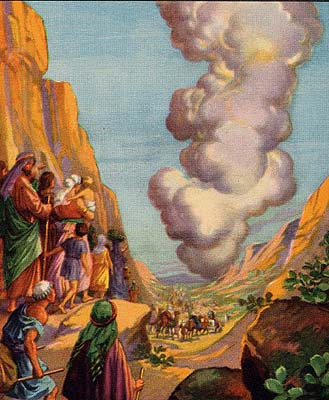
Our last session of the Exodus Bible Study originally scheduled for March 30th is postponed until the following week, April 6.
Monday, March 24, 2008
Easter Sermon: "It's How you Believe."
Sermon Text: Colossians 3: 1-4
Matthew 28
Sorry, no transcript this week either. I'm preaching in more of an extemporaneous style now. If the manuscript sermons have been a big help to you, leave a comment, and I'll look into getting an ipod or something that I could put podcasts of the sermon on the website. If I don't hear from anyone, I will keep giving you the talking points of the sermon and what I can remember of it. (and some improvements I've made in the past 24 hours. :) )
My earthquake experiences have been unextraordinary.
Leaning back in my chair during seminary during one, asleep during the other.
Quite possibly, this earthquake that Matthew recounts was not that extraordinary too. After all he's the only writer to remember it.
Perhaps this was just indicative of a resurrection that kind of "flew under the radar," anyway. John tells of the disciples going back to their fishing after the encounters with the risen Christ.
So, no hard feelings if you merely think of Easter Sunday as a day to go to church in pastel colors and have an egg hunt.
Our ultimate antagonist to having a life of faith is the disease of apathy. Apatheism, some call it. (Here, some of the teenagers in church were busy texting each other, and made a good illustration about apathy and the Easter story.)
But perhaps we are apathetic because we believe that the Easter event is just another event that we are supposed to believe "happened" so that we can "believe the right things" and "get into heaven." Once we've gotten the story down, and believe that it has happened, we're "okay."
Hmm.
Perhaps all this talk of an earthquake and an angel and the clunky narrative about guards being placed at the tomb is just Matthew writing in a convenient explanation as to why the Romans and Jews keep dismissing the early Christians talk about a resurrection by saying that they had stolen the body.
Or, if you watch the Discovery or History Channel, you can learn about all other theories about how Jesus might have "come back from the dead." Some say Jesus was drugged, feigned death, and later escaped from the tomb. Others say the disciples just got so worked up in their grief that they made up the whole thing.
So, that "story that we have to get down right" in order to "believe the right things," isn't so simple after all, is it. The gospels sure don't help us, they each tell the story in different ways. Which one am I "supposed to believe" preacher?
Well, what if Matthew, with all this talk about guards at the gate, is trying to communicate to us the idea that it's not what you believe, it's how you believe.
The guards at the tomb witnessed everything the women did! They surely "believed the right things." They were right there so scared they couldn't move! They got the information, because they took it back to the authorities.
The difference was "how they believed." They were content to be paid off to change their story. They sold out while the women shared the good news.
Bishop Will Willimon points out. "There are so many ways to "explain" the resurrection. The point is, we can't explain the resurrection. The resurrection explains us!"
This past week, we recounted the stories about how Jesus was "there for us," but how his disciples failed to be "there for him." They deserted, they shrunk away in fear. They lied about their association with him. They betrayed him. Now an angel who "has the appearance of lightning" is telling us this man is back. Uh-oh.
But notice what Jesus tells the women. "Greetings! Tell my brothers to meet me in Galilee." My brothers! The two most important words of this story. My brothers. The women become not only missionaries of the resurrection message, but also agents of reconciliation.
Resurrection faith isn’t just a matter of believing that a dead body came back to life. The soldiers and the priests believed this as well, and were quick to work against the resurrection. Resurrection faith is knowing that this event heals a relationship between you and God. It is the understanding that you are a “brother” or “sister” being summoned to go and share the good news with others. Dear friends, Matthew tells us that it’s not about “believing.” It’s about what you do with that belief that identifies you as a child of the Resurrection.
When the Resurrection compels us to be agents of reconciliation, that's letting Easter shape "how" and not just "what" we believe.
Easter means you have another chance to be the person God created you to be, and you can start doing that at any moment, even after you think it's too late. The disciples whom Jesus called "brothers" and "sisters" learned that it was never too late.
This is "how" we believe. We believe in the resurrection by believing in the possibilities for redemption and reconciliation that happen every day. We believe in the resurrection by making those moments happen.
But, if you think being a child of the resurrection means you have everything figured out, then think again. When the disciples meet Jesus on the mountain in Galilee, Matthew tells us "but some doubted." That's okay. The resurrection is big enough to handle our doubt. "Thus the same elements of worship, doubt, and little faith inhere in the church after Easter as before. Whatever the nature of the resurrection event, it did not generate perfect faith even in those who experienced it firsthand. It is not to angels or perfect believers, but to the worshiping/wavering community of disciples to whom the world mission is entrusted." (New Interpreter's Bible)
This is the good news. This is what is exciting. The resurrection hasn't ended. It is still going on in your life and in mine. We have the opportunity to participate in it by our life lived in the name of Christ. That's why it is so beautifully fitting that we had a baptism today and added another sister to the community of faith. We've added a witness to the resurrection. She will be brought up in the faith.
And it won't be what she believes that makes a difference to Christ. It will be "how" she believes that witnesses to the resurrection.
Matthew 28
Sorry, no transcript this week either. I'm preaching in more of an extemporaneous style now. If the manuscript sermons have been a big help to you, leave a comment, and I'll look into getting an ipod or something that I could put podcasts of the sermon on the website. If I don't hear from anyone, I will keep giving you the talking points of the sermon and what I can remember of it. (and some improvements I've made in the past 24 hours. :) )
My earthquake experiences have been unextraordinary.
Leaning back in my chair during seminary during one, asleep during the other.
Quite possibly, this earthquake that Matthew recounts was not that extraordinary too. After all he's the only writer to remember it.
Perhaps this was just indicative of a resurrection that kind of "flew under the radar," anyway. John tells of the disciples going back to their fishing after the encounters with the risen Christ.
So, no hard feelings if you merely think of Easter Sunday as a day to go to church in pastel colors and have an egg hunt.
Our ultimate antagonist to having a life of faith is the disease of apathy. Apatheism, some call it. (Here, some of the teenagers in church were busy texting each other, and made a good illustration about apathy and the Easter story.)
But perhaps we are apathetic because we believe that the Easter event is just another event that we are supposed to believe "happened" so that we can "believe the right things" and "get into heaven." Once we've gotten the story down, and believe that it has happened, we're "okay."
Hmm.
Perhaps all this talk of an earthquake and an angel and the clunky narrative about guards being placed at the tomb is just Matthew writing in a convenient explanation as to why the Romans and Jews keep dismissing the early Christians talk about a resurrection by saying that they had stolen the body.
Or, if you watch the Discovery or History Channel, you can learn about all other theories about how Jesus might have "come back from the dead." Some say Jesus was drugged, feigned death, and later escaped from the tomb. Others say the disciples just got so worked up in their grief that they made up the whole thing.
So, that "story that we have to get down right" in order to "believe the right things," isn't so simple after all, is it. The gospels sure don't help us, they each tell the story in different ways. Which one am I "supposed to believe" preacher?
Well, what if Matthew, with all this talk about guards at the gate, is trying to communicate to us the idea that it's not what you believe, it's how you believe.
The guards at the tomb witnessed everything the women did! They surely "believed the right things." They were right there so scared they couldn't move! They got the information, because they took it back to the authorities.
The difference was "how they believed." They were content to be paid off to change their story. They sold out while the women shared the good news.
Bishop Will Willimon points out. "There are so many ways to "explain" the resurrection. The point is, we can't explain the resurrection. The resurrection explains us!"
This past week, we recounted the stories about how Jesus was "there for us," but how his disciples failed to be "there for him." They deserted, they shrunk away in fear. They lied about their association with him. They betrayed him. Now an angel who "has the appearance of lightning" is telling us this man is back. Uh-oh.
But notice what Jesus tells the women. "Greetings! Tell my brothers to meet me in Galilee." My brothers! The two most important words of this story. My brothers. The women become not only missionaries of the resurrection message, but also agents of reconciliation.
Resurrection faith isn’t just a matter of believing that a dead body came back to life. The soldiers and the priests believed this as well, and were quick to work against the resurrection. Resurrection faith is knowing that this event heals a relationship between you and God. It is the understanding that you are a “brother” or “sister” being summoned to go and share the good news with others. Dear friends, Matthew tells us that it’s not about “believing.” It’s about what you do with that belief that identifies you as a child of the Resurrection.
When the Resurrection compels us to be agents of reconciliation, that's letting Easter shape "how" and not just "what" we believe.
Easter means you have another chance to be the person God created you to be, and you can start doing that at any moment, even after you think it's too late. The disciples whom Jesus called "brothers" and "sisters" learned that it was never too late.
This is "how" we believe. We believe in the resurrection by believing in the possibilities for redemption and reconciliation that happen every day. We believe in the resurrection by making those moments happen.
But, if you think being a child of the resurrection means you have everything figured out, then think again. When the disciples meet Jesus on the mountain in Galilee, Matthew tells us "but some doubted." That's okay. The resurrection is big enough to handle our doubt. "Thus the same elements of worship, doubt, and little faith inhere in the church after Easter as before. Whatever the nature of the resurrection event, it did not generate perfect faith even in those who experienced it firsthand. It is not to angels or perfect believers, but to the worshiping/wavering community of disciples to whom the world mission is entrusted." (New Interpreter's Bible)
This is the good news. This is what is exciting. The resurrection hasn't ended. It is still going on in your life and in mine. We have the opportunity to participate in it by our life lived in the name of Christ. That's why it is so beautifully fitting that we had a baptism today and added another sister to the community of faith. We've added a witness to the resurrection. She will be brought up in the faith.
And it won't be what she believes that makes a difference to Christ. It will be "how" she believes that witnesses to the resurrection.
Wednesday, March 19, 2008
What is the Seder?

If you are wondering this--go here to find out all about the Passover meal that we will adapt for our use on Maundy Thursday. Children are encouraged to attend--actually, the service will be quite hampered without the presence of children, since the Passover meal has traditionally been the occasion where the children were handed down the story of the Exodus.
"Being there" for Jesus, Palm/Passion Sunday Sermon
Once again, I didn't really "write" a sermon. But here's my best account of what I said.
Scripture Readings:
Matthew 21: 1-11
Philippians 2 5-11
Matthew 26:14-27:66
I hear it all the time: "Jesus was there for me." We lean on Jesus in crucial times, and Jesus is happy for us to do this. He wants us to count on his presence and depend on him for comfort. Today is the story about how he was "there for us" in an ultimate way. He was there for his disciples, and by miraculous extension, for us, at the last supper, when he said, "This is my body. This is my blood." He was there for us as he stood before the priests and before Pilate, taking accusation after accusation in noble silence. He was there for us as he was whipped and beaten. And he was there for us hanging on the cross, mocked and desperate.
We believe that through all of this, in all of this, Jesus is there for us. He is there bearing our sin for us and giving his life as a sacrifice for our sinfulness. Any time we have a feeling of conviction for our sin, we may picture in our minds some of these events that we heard about today.
But what we heard was also a story about how Jesus' closest friends and disciples failed to "be there" for him in his hour of need. This is perhaps most poignantly described in the account of Jesus praying in the garden, and finding his disciples asleep when they are supposed to be on watch. After the Romans arrest Jesus, the disciples scatter. Later, Peter is almost outed as a disciple of Jesus and he denies any affiliation with him. In a last utterance of abandonment, Jesus cries out words from the 22nd Psalm. "My God, My God, why have you abandoned me." It seems that while Jesus is there for all of us, no one, not even God, is there for him. Why is this?
Perhaps the Gospel writer is wanting to accentuate Jesus' abandonment to give us the resolve to stand by Jesus. And the good news of the Gospel is that we can be there for Jesus.
Any time we encounter bigotry or sexism or racism, you can "be there" for Jesus. Any time you encounter someone suffering or hurting, you can "be there" for Jesus. Jesus told his disciples, "whatever you did to the least of these, you did to me." So we have an opportunity to stand in for the disciples who deny and run away and instead be there, witnessing to the Jesus who is "there" for all of us.
Thanks be to God!
Scripture Readings:
Matthew 21: 1-11
Philippians 2 5-11
Matthew 26:14-27:66
I hear it all the time: "Jesus was there for me." We lean on Jesus in crucial times, and Jesus is happy for us to do this. He wants us to count on his presence and depend on him for comfort. Today is the story about how he was "there for us" in an ultimate way. He was there for his disciples, and by miraculous extension, for us, at the last supper, when he said, "This is my body. This is my blood." He was there for us as he stood before the priests and before Pilate, taking accusation after accusation in noble silence. He was there for us as he was whipped and beaten. And he was there for us hanging on the cross, mocked and desperate.
We believe that through all of this, in all of this, Jesus is there for us. He is there bearing our sin for us and giving his life as a sacrifice for our sinfulness. Any time we have a feeling of conviction for our sin, we may picture in our minds some of these events that we heard about today.
But what we heard was also a story about how Jesus' closest friends and disciples failed to "be there" for him in his hour of need. This is perhaps most poignantly described in the account of Jesus praying in the garden, and finding his disciples asleep when they are supposed to be on watch. After the Romans arrest Jesus, the disciples scatter. Later, Peter is almost outed as a disciple of Jesus and he denies any affiliation with him. In a last utterance of abandonment, Jesus cries out words from the 22nd Psalm. "My God, My God, why have you abandoned me." It seems that while Jesus is there for all of us, no one, not even God, is there for him. Why is this?
Perhaps the Gospel writer is wanting to accentuate Jesus' abandonment to give us the resolve to stand by Jesus. And the good news of the Gospel is that we can be there for Jesus.
Any time we encounter bigotry or sexism or racism, you can "be there" for Jesus. Any time you encounter someone suffering or hurting, you can "be there" for Jesus. Jesus told his disciples, "whatever you did to the least of these, you did to me." So we have an opportunity to stand in for the disciples who deny and run away and instead be there, witnessing to the Jesus who is "there" for all of us.
Thanks be to God!
Holy Week Activities
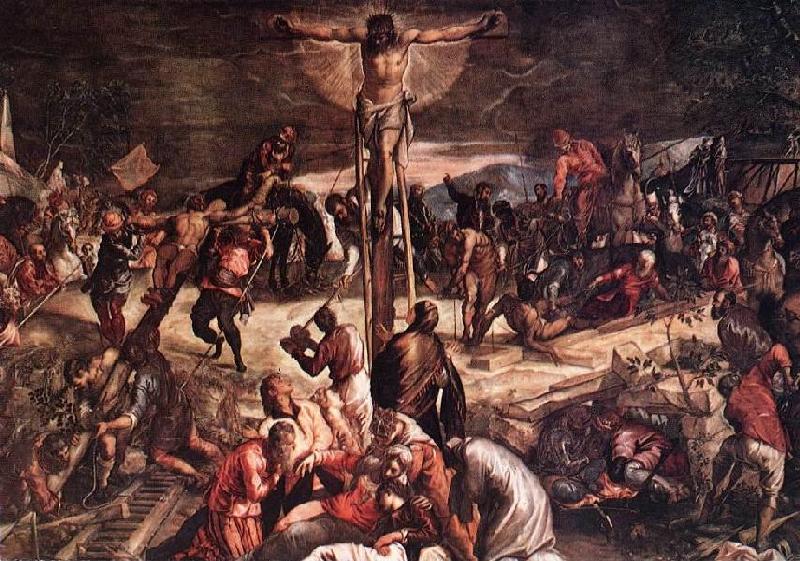
Thursday, March 20: Maundy Thursday Seder Meal. Come and participate in the Passover Seder as Jesus and his disciples would have shared it the night he was arrested by the authorities. 6pm
Friday, March 21: Good Friday Tenebre Service. The Tenebre is a sparse and somber "Service of Darkness." We hear the passion story read by candlelight, and end the service by stripping the sanctuary of all decoration. This symbolizes the spiritual emptying of our hearts so that we may be filled with the joy of the resurrection on Easter. 6pm

Saturday, March 22: Easter Vigil: Easter begins at sundown on Saturday evening, and this service celebrates the "first light" of Easter visually with the first lighting of the Paschal candle, and a candlelight carol and processional into the sanctuary. We'll celebrate the night by singing our favorite hymns. 6pm
Friday, March 21: Good Friday Tenebre Service. The Tenebre is a sparse and somber "Service of Darkness." We hear the passion story read by candlelight, and end the service by stripping the sanctuary of all decoration. This symbolizes the spiritual emptying of our hearts so that we may be filled with the joy of the resurrection on Easter. 6pm

Saturday, March 22: Easter Vigil: Easter begins at sundown on Saturday evening, and this service celebrates the "first light" of Easter visually with the first lighting of the Paschal candle, and a candlelight carol and processional into the sanctuary. We'll celebrate the night by singing our favorite hymns. 6pm
Sunday, March 23: Easter Sunday Worship: Come and celebrate the Resurrection of Jesus Christ at this festive worship service. 10:55am.
Wednesday, March 12, 2008
House bill and canyon camp
TO: All United Methodists
FROM: Joseph Harris, jharris@okumc.org
Assistant to the Bishop/Director of Communications
The Oklahoma Conference of The United Methodist Church
March 12, 2008
UPDATE: State legislative leaders have responded to citizens’ concerns expressed about House Bill 2774, relating to swine-feeding operations in the state. United Methodist church leaders believe that a new draft of the bill, presented as a House floor substitute, adequately addresses our concerns, especially in relation to Canyon Camp near Hinton.
Thus, this department is notifying you that the Oklahoma Conference leadership no longer opposes HB 2774, as it has been revised.
Randy McGuire, Conference director of Camps, stated this morning (March 12, 2008), “This substitute addresses the two items of particular concern for the protection of recreational and camp facilities that we noted in earlier forms of the bill. Namely, the term ‘groundwater’ was replaced with the original term ‘water,’ and a grandfather clause was removed. With these changes, it is my belief that the bill adequately protects recreational and camp facilities, including Canyon Camp.”
Two meetings, today and yesterday, at the state Capitol helped bring together groups with various perspectives on the proposal, to share and seek illumination and agreement. Attending the meeting this morning were state Rep. Lee Denney; state Rep. Dale DeWitt; J.D. Strong, chief of staff of the state Department of the Environment; Rev. Ed Light, chairman of the board of Conference UM Camp and Retreat Ministries; Rev. Craig Stinson, Conference UM director of Connectional Ministry and Congregational Development; Rev. McGuire; and representatives of the Pork Council and various lobbyists. Inquiries from citizens helped initiate the Tuesday meeting, when Rep. DeWitt, Secretary of the Environment Miles Tolbert, and members of the Pork Council met to look more in-depth at the language of HB 2774.
This department also believe it is important to note that United Methodist leaders realize all perspectives are worthy of study as we search together for common accord. United Methodists hold in common our faith amid diversity, in that we are citizens, consumers, farmers, legislators, environmentalists, and much more--especially, the people of God.
Oklahoma Conference leaders are extremely grateful for the level of concern expressed about this matter in recent days by United Methodists in response to our e-mail news releases. A number of people, including legislators who are United Methodist, have raised questions about the proposal. Your voice has been heard.
Sincerely,
Joseph Harris
Department of Communications
jharris@okumc.org
Saturday, March 08, 2008
Oklahoma Legislation that could affect our Methodist Camp Canyojn
UPDATE and CALL FOR ACTION
TO: All United Methodists
FROM: Joseph Harris, jharris@okumc.org
Assistant to the Bishop/Director of Communications
The Oklahoma Conference of The United Methodist Church
UPDATE: We continue to provide you with further information about House Bill 2774, a proposal to change existing state law about swine-feeding operations. If passed, the measure threatens the future of Camp Canyon, the United Methodist campground southeast of Hinton. A swine-feeding facility operates near the camp.
This bill continues to advance at the state Capitol. We continue to ask you to contact legislators, expressing your opposition to HB 2774.
This request for your action is time-sensitive. A full House vote on the measure is possible on Monday, March 10. House author is Rep. Dale DeWitt; newly listed as Senate author is Sen. Richard Lerblance.
Title 82, the current law, puts certain restrictions on all swine-feeding operations that are near recreational facilities in the state, including the one located near Camp Canyon. HB 2774 would change parts of the law.
HB 2774 has moved through First and Second Readings of the legislative process and was listed under “General Order” as of March 5. The original proposal was considered, a substitute version was presented and amended, and the Natural Resources Committee recommended it as “Do Pass.”
CONCERNS:
1. Wording has changed yet again in the proposal, and this is creating inconsistencies between sections of the measure when it is read in full. This raises questions as to how closely the measure has been examined and implies a rush to floor action without thorough review.
2. Rep. Dewitt said the purpose of HB 2774 is to change jurisdiction from the Oklahoma Water Resources Board to the Department of Agriculture, and he said it is part of a larger move to simplify the functions of state government, according to Randy McGuire, who directs all camping ministries for Oklahoma United Methodists. State residents appreciate efforts to streamline government, but the proposal contains extensive language changes that do not seem limited to that. For instance:
a. Dates have been added in the proposal, distinguishing between new and existing operations. Why? The existing law does not include a grandfathering date.
b. Water terms have been changed in the proposal: “groundwater” and “surface water” permits seem to get separate consideration in this new version. Both are crucial to water safety and quality for human consumption.
c. Title 82, in use for about 10 years, has seemed satisfactory to all parties. The procedures are well established.
BACKGROUND: The existing law includes protection for the water sources and environment of Canyon Camp, which has existed more than 50 years. The camp is located in one of a series of canyons near Hinton--including the state park Red Rock Canyon--which contain rare and fragile ecosystems, according to environmental scientists who have studied the area.
Recreational use of Camp Canyon continues to grow. Annually, it serves more than 10,000 people, from a wide spectrum of groups, and its utilization is not restricted to United Methodists.
WHAT TO DO: E-mail and phone contacts are crucial, due to the timeframe on this measure.
To contact Rep. Chris Benge, Speaker of the House: 405-557-7340, chrisbenge@okhouse.gov. Express your opposition to HB 2774 and ask Benge, who as Speaker controls the agenda for the House, to decline to schedule the bill for a hearing.
To contact Rep. DeWitt: 405-557-7332, daledewitt@okhouse.gov
To contact Sen. Lerblance: 405-521-5604, lerblance@oksenate.gov
For other legislators’ contact information, go online to:
http://www.okhouse.gov/Members/MemberListing.aspx
YOUR VOICE IS POWERFUL. You can make a difference. Express your opposition to HB 2774, and ask that the legislation be dropped. Title 82 has proven its effectiveness for all parties involved. We ask you to particularly contact Speaker of the House Benge, Rep. DeWitt, and the legislators who represent your area of the state.
This Department of Communications will produce further updates as we follow developments on this issue.
Sincerely,
Joseph Harris
Department of Communications
jharris@okumc.org
TO: All United Methodists
FROM: Joseph Harris, jharris@okumc.org
Assistant to the Bishop/Director of Communications
The Oklahoma Conference of The United Methodist Church
UPDATE: We continue to provide you with further information about House Bill 2774, a proposal to change existing state law about swine-feeding operations. If passed, the measure threatens the future of Camp Canyon, the United Methodist campground southeast of Hinton. A swine-feeding facility operates near the camp.
This bill continues to advance at the state Capitol. We continue to ask you to contact legislators, expressing your opposition to HB 2774.
This request for your action is time-sensitive. A full House vote on the measure is possible on Monday, March 10. House author is Rep. Dale DeWitt; newly listed as Senate author is Sen. Richard Lerblance.
Title 82, the current law, puts certain restrictions on all swine-feeding operations that are near recreational facilities in the state, including the one located near Camp Canyon. HB 2774 would change parts of the law.
HB 2774 has moved through First and Second Readings of the legislative process and was listed under “General Order” as of March 5. The original proposal was considered, a substitute version was presented and amended, and the Natural Resources Committee recommended it as “Do Pass.”
CONCERNS:
1. Wording has changed yet again in the proposal, and this is creating inconsistencies between sections of the measure when it is read in full. This raises questions as to how closely the measure has been examined and implies a rush to floor action without thorough review.
2. Rep. Dewitt said the purpose of HB 2774 is to change jurisdiction from the Oklahoma Water Resources Board to the Department of Agriculture, and he said it is part of a larger move to simplify the functions of state government, according to Randy McGuire, who directs all camping ministries for Oklahoma United Methodists. State residents appreciate efforts to streamline government, but the proposal contains extensive language changes that do not seem limited to that. For instance:
a. Dates have been added in the proposal, distinguishing between new and existing operations. Why? The existing law does not include a grandfathering date.
b. Water terms have been changed in the proposal: “groundwater” and “surface water” permits seem to get separate consideration in this new version. Both are crucial to water safety and quality for human consumption.
c. Title 82, in use for about 10 years, has seemed satisfactory to all parties. The procedures are well established.
BACKGROUND: The existing law includes protection for the water sources and environment of Canyon Camp, which has existed more than 50 years. The camp is located in one of a series of canyons near Hinton--including the state park Red Rock Canyon--which contain rare and fragile ecosystems, according to environmental scientists who have studied the area.
Recreational use of Camp Canyon continues to grow. Annually, it serves more than 10,000 people, from a wide spectrum of groups, and its utilization is not restricted to United Methodists.
WHAT TO DO: E-mail and phone contacts are crucial, due to the timeframe on this measure.
To contact Rep. Chris Benge, Speaker of the House: 405-557-7340, chrisbenge@okhouse.gov. Express your opposition to HB 2774 and ask Benge, who as Speaker controls the agenda for the House, to decline to schedule the bill for a hearing.
To contact Rep. DeWitt: 405-557-7332, daledewitt@okhouse.gov
To contact Sen. Lerblance: 405-521-5604, lerblance@oksenate.gov
For other legislators’ contact information, go online to:
http://www.okhouse.gov/Members/MemberListing.aspx
YOUR VOICE IS POWERFUL. You can make a difference. Express your opposition to HB 2774, and ask that the legislation be dropped. Title 82 has proven its effectiveness for all parties involved. We ask you to particularly contact Speaker of the House Benge, Rep. DeWitt, and the legislators who represent your area of the state.
This Department of Communications will produce further updates as we follow developments on this issue.
Sincerely,
Joseph Harris
Department of Communications
jharris@okumc.org
Tuesday, March 04, 2008
March 2 Sermon: Brought to Light
This isn't really a transcript from my sermon on the 2nd, more like my notes that I used to prepare. I didn't really talk about eating disorders in the sermon, but you can still follow the link.
Brought to Light
I remember vividly my one and hopefully only experience with blindness. While working on my “handicapped awareness” merit badge, I had the opportunity to get to know the woman in my church who ran the local “group living” home for people with mental handicaps. We worked together on the requirements for the merit badge, and she helped me create day long simulations of being blind, deaf, mute, and wheelchair bound.
I remember specifically walking around downtown with her with big gauze pads and a blindfold over my eyes. At the end of the day, after my eyes had adjusted to the dark of the blindfold, taking it off was an overwhelming flood of light.
The gospels tell the story about the overwhelming imparting of the light of grace to humanity. Some are unblended and tentatively at first, walk out into the life of light, and others grimace with the discomfort of the light and grab the blindfolds and put them on.
Past few weeks during season of Lent, we have focused on the senses. We have heard the call of Abraham, we have felt the saving grace of God in a story of new birth, we have quenched our thirst with life giving water. In today’s story, we are given sight with the man blind from birth.
Today we’re reminded of the scripture we heard earlier, “And this is the judgment, that the light has come into the world, and people loved darkness rather than light because their deeds were evil. 20 For all who do evil hate the light and do not come to the light, so that their deeds may not be exposed. 21 But those who do what is true come to the light, so that it may be clearly seen that their deeds have been done in God.”j
The healing miracle of John 9:1-41, then, is not simply a story that shows the revelation of the works of God in Jesus’ gift of sight (v. 3). Rather, the Fourth Evangelist uses this healing story to portray the world changing truth of Jesus’ incarnation palpably and poignantly. Light and darkness are no longer merely concepts, but are embodied in the characters of John 9. In the blind man’s journey from physical blindness to spiritual sight, the reader is able to watch as someone comes to the light and is given new life. In the Jewish authorities’ journey from physical sight to spiritual blindness, the reader is able to watch as they close themselves to the light and place themselves under judgment.
This month is eating disorders awareness week. You teachers are probably aware of that, but I didn’t know until I was looking at a friends website the other day. I usually don’t pay attention to “national month or week” of this or that, but this subject caught my eye in relationship to the scripture given today.
I have friends with eating disorders, and I would say that it is a blindfold of sorts. Much like me wearing around those patches and blindfold as a Boy Scout, there are young women and men who wear a blindfold toward their own body. They are blind to the beauty that God bestows on each and every child. They look at their own bodies and see only defect. Some are driven by the illusion of control, that we can actually possess it and always apply it. When they feel the tumultuous swerve of the world around them, they seek control wherever they can find it, and it usually ends up being their bodies that suffer.
Christ wants to remove this blindness. He wants to come into the lives of those women and men with eating disorders and all other kinds of disorders and give them the self worth and sense of peace and strength that will pull the shudders back on this illness that is so prevalent in our culture.
If you know of someone who suffers from an eating disorder, there will be a link on the website on this sermon to some professional resources http://eatingdisorders.laureate.com/contact_info.asp
who can help. I would encourage those who suffer to speak with their pastor or someone. The sense of shame about these kinds of things cause us to bury them deep in our heart, where they can take root and shot up in other aspects of our life.
One thing I liked as a boy about this bible story is that Jesus spits in the dirt to make the mud paste that he puts on the man’s eyes. I liked this passage especially because it came in handy when my mother would get on to me for spitting and then I would come back with, well Jesus spit! If it’s good enough for Jesus, it’s good enough for me, right!
But a connection that I make now that I didn’t make when I was more concerned about justifying spitting is that this passage seems to me to reflect the creation account in Genesis, when God scoops up the mud of the earth and fashions human beings and then breathes into them the Spirit of life. Eugene Peterson, in his translation of the Bible called the Message calls the new creation “mud man.”
We know that in several places, John references Genesis, maybe this is an intentional image for us—the blind man with mud caked over his eyes, so that we may see his gift to the blind man not just being a healing, but a re-creation. And whereas the blind man is astonished and hungry for more creation in his life—he encounters Jesus again and asks him—show me the Son of Man and I will believe—the Pharisees and others who show nothing but contempt and suspicion for the newly re-created man are engaged in de-creating.
Instead of yielding to new possibilities, they become overly concerned with process and policy. Instead of celebrating vision, they are more obsessed with the cause of the blindness. For this they are judged by Jesus. He says they are choosing blindness while the man who had no choice about being blind has chosen vision.
(From Dylan's blog)
But, the most damning point this Sunday's gospel has against Jesus' accusers is one that we easily miss: they did not know the blind man who was healed.
He sat and begged there daily, and every day they walked by him, but when the time came, they couldn't be sure of who he was -- others had to fetch his parents before they could be sure of the identification (again, props to the Social Science Commentary on John). Or maybe they'd identified him solely by the darkness they thought was inside him, as a social problem indicative of how far society had sunk. For whatever reason, they'd never looked him in the eye or really noticed his face.
Are we like Jesus, who goes and seeks the blind man, or are we more like the Pharisees, stuck in the Temple, debating the finer points of this and that? Jesus doesn’t test the blind man to see if he has enough “faith” to be healed. Indeed, he seems to grow in his faith after having his sight restored. This aspect of Christ’s ministry MUST be lived out in our church’s expression of faith and invitation.
We must reach out and invite and get to know others in our community who lack the spiritual vision we believe comes with a relationship with Jesus Christ. If your answer to me is that, “I don’t know who to invite into the life of discipleship, because all my friends are Christian,” then we’re not working hard enough at cultivating relationships with people in our community who can be brought to light. Have you seen the light of Christ? Then I’m sure you would agree that it HAS to be shared. The blind man lives in our community. He’s probably doesn’t expect to receive vision. His whole identity may be built around his “lack of vision.” But Christ wishes to bring him sight.
This is one reason I am so happy our church recognizes the open table when it comes to celebrating the Lord’s supper. We offer this communion to everyone who is in attendance. It matters not what blinds you or what state of the darkness you are in. Like Christ seeks out the blind man and heals him without any declaration of belief or requirements, the gift of sight brought to us in this meal of bread and wine is offered freely and equally.
Brought to Light
I remember vividly my one and hopefully only experience with blindness. While working on my “handicapped awareness” merit badge, I had the opportunity to get to know the woman in my church who ran the local “group living” home for people with mental handicaps. We worked together on the requirements for the merit badge, and she helped me create day long simulations of being blind, deaf, mute, and wheelchair bound.
I remember specifically walking around downtown with her with big gauze pads and a blindfold over my eyes. At the end of the day, after my eyes had adjusted to the dark of the blindfold, taking it off was an overwhelming flood of light.
The gospels tell the story about the overwhelming imparting of the light of grace to humanity. Some are unblended and tentatively at first, walk out into the life of light, and others grimace with the discomfort of the light and grab the blindfolds and put them on.
Past few weeks during season of Lent, we have focused on the senses. We have heard the call of Abraham, we have felt the saving grace of God in a story of new birth, we have quenched our thirst with life giving water. In today’s story, we are given sight with the man blind from birth.
Today we’re reminded of the scripture we heard earlier, “And this is the judgment, that the light has come into the world, and people loved darkness rather than light because their deeds were evil. 20 For all who do evil hate the light and do not come to the light, so that their deeds may not be exposed. 21 But those who do what is true come to the light, so that it may be clearly seen that their deeds have been done in God.”j
The healing miracle of John 9:1-41, then, is not simply a story that shows the revelation of the works of God in Jesus’ gift of sight (v. 3). Rather, the Fourth Evangelist uses this healing story to portray the world changing truth of Jesus’ incarnation palpably and poignantly. Light and darkness are no longer merely concepts, but are embodied in the characters of John 9. In the blind man’s journey from physical blindness to spiritual sight, the reader is able to watch as someone comes to the light and is given new life. In the Jewish authorities’ journey from physical sight to spiritual blindness, the reader is able to watch as they close themselves to the light and place themselves under judgment.
This month is eating disorders awareness week. You teachers are probably aware of that, but I didn’t know until I was looking at a friends website the other day. I usually don’t pay attention to “national month or week” of this or that, but this subject caught my eye in relationship to the scripture given today.
I have friends with eating disorders, and I would say that it is a blindfold of sorts. Much like me wearing around those patches and blindfold as a Boy Scout, there are young women and men who wear a blindfold toward their own body. They are blind to the beauty that God bestows on each and every child. They look at their own bodies and see only defect. Some are driven by the illusion of control, that we can actually possess it and always apply it. When they feel the tumultuous swerve of the world around them, they seek control wherever they can find it, and it usually ends up being their bodies that suffer.
Christ wants to remove this blindness. He wants to come into the lives of those women and men with eating disorders and all other kinds of disorders and give them the self worth and sense of peace and strength that will pull the shudders back on this illness that is so prevalent in our culture.
If you know of someone who suffers from an eating disorder, there will be a link on the website on this sermon to some professional resources http://eatingdisorders.laureate.com/contact_info.asp
who can help. I would encourage those who suffer to speak with their pastor or someone. The sense of shame about these kinds of things cause us to bury them deep in our heart, where they can take root and shot up in other aspects of our life.
One thing I liked as a boy about this bible story is that Jesus spits in the dirt to make the mud paste that he puts on the man’s eyes. I liked this passage especially because it came in handy when my mother would get on to me for spitting and then I would come back with, well Jesus spit! If it’s good enough for Jesus, it’s good enough for me, right!
But a connection that I make now that I didn’t make when I was more concerned about justifying spitting is that this passage seems to me to reflect the creation account in Genesis, when God scoops up the mud of the earth and fashions human beings and then breathes into them the Spirit of life. Eugene Peterson, in his translation of the Bible called the Message calls the new creation “mud man.”
We know that in several places, John references Genesis, maybe this is an intentional image for us—the blind man with mud caked over his eyes, so that we may see his gift to the blind man not just being a healing, but a re-creation. And whereas the blind man is astonished and hungry for more creation in his life—he encounters Jesus again and asks him—show me the Son of Man and I will believe—the Pharisees and others who show nothing but contempt and suspicion for the newly re-created man are engaged in de-creating.
Instead of yielding to new possibilities, they become overly concerned with process and policy. Instead of celebrating vision, they are more obsessed with the cause of the blindness. For this they are judged by Jesus. He says they are choosing blindness while the man who had no choice about being blind has chosen vision.
(From Dylan's blog)
But, the most damning point this Sunday's gospel has against Jesus' accusers is one that we easily miss: they did not know the blind man who was healed.
He sat and begged there daily, and every day they walked by him, but when the time came, they couldn't be sure of who he was -- others had to fetch his parents before they could be sure of the identification (again, props to the Social Science Commentary on John). Or maybe they'd identified him solely by the darkness they thought was inside him, as a social problem indicative of how far society had sunk. For whatever reason, they'd never looked him in the eye or really noticed his face.
Are we like Jesus, who goes and seeks the blind man, or are we more like the Pharisees, stuck in the Temple, debating the finer points of this and that? Jesus doesn’t test the blind man to see if he has enough “faith” to be healed. Indeed, he seems to grow in his faith after having his sight restored. This aspect of Christ’s ministry MUST be lived out in our church’s expression of faith and invitation.
We must reach out and invite and get to know others in our community who lack the spiritual vision we believe comes with a relationship with Jesus Christ. If your answer to me is that, “I don’t know who to invite into the life of discipleship, because all my friends are Christian,” then we’re not working hard enough at cultivating relationships with people in our community who can be brought to light. Have you seen the light of Christ? Then I’m sure you would agree that it HAS to be shared. The blind man lives in our community. He’s probably doesn’t expect to receive vision. His whole identity may be built around his “lack of vision.” But Christ wishes to bring him sight.
This is one reason I am so happy our church recognizes the open table when it comes to celebrating the Lord’s supper. We offer this communion to everyone who is in attendance. It matters not what blinds you or what state of the darkness you are in. Like Christ seeks out the blind man and heals him without any declaration of belief or requirements, the gift of sight brought to us in this meal of bread and wine is offered freely and equally.
Subscribe to:
Posts (Atom)